Jefferson Dental cut marketing costs by two-thirds while maintaining results through a strategic partnership with Fractional CMO, leading to significant growth and efficiency.
Discover how Central Bark thrived with a Fractional CMO, ensuring continuity and growth through strategic marketing leadership during critical transitions.
Ready Credit eliminates cash handling while still accommodating cash-paying customers. Following a private equity acquisition, company leadership sought marketing expertise to take the business to the...
The Nearshore Company helps clients establish reliable manufacturing operations in Mexico. Seeking to grow the recently acquired company, the new owners turned to Chief Outsiders Fractional CMO, Atul ...
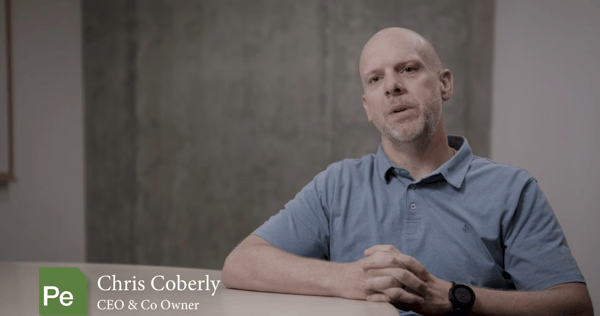
People-focused organizations use People Element’s employee survey platform to engage and inspire their teams. Seeking to boost its new SaaS product and an ailing marketing function, company leadership...
Altacrest Capital (Altacrest) invests in small companies, often founder led. Looking to grow their Barton Watch Bands (Barton) portco more profitably, they sought outside expertise, engaging Chief Out...
Seeking to grow the business to $100 million in 10 years, Einstein Moving Co. leadership pursued outside sales help. With direction from Chief Outsiders, Fractional Chief Sales Officer (CSO), Dave Mac...
With a goal to double revenues in three years, Teamalytics engaged a Chief Outsiders Fractional CMO for 15 months to develop a strategy and plan to build the company’s marketing function and achieve t...
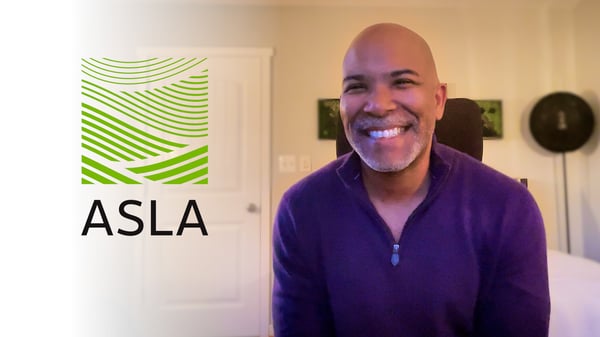
For 125 years, the American Society of Landscape Architects (ASLA) has provided services to its 16,000 members. Facing marketing and organizational challenges, a new CEO, Torey Carter-Conneen, was bro...
.png?width=1500&height=398&name=CO_Corporate%20Logo%202021_4C_HOR_FNL-1%20(1).png)


.png?length=600&name=Untitled%20design%20(1).png)