.png?width=1500&height=398&name=CO_Corporate%20Logo%202021_4C_HOR_FNL-1%20(1).png)

How to Engage Hard-to-Reach CXOs: The New Growth Playbook
This blog is part of Chief Outsiders’ New Growth Imperative series, designed to help CEOs and leadership teams engage executive decision-makers at targeted strategic accounts by turning deep insights into compelling customer value.
The Rise and Fall of Executives
Wed, Jul 24, 2013 — This blog is written by guest blogger Per Ohstrom. In my years in business, I have noticed how top executives often come out of Operations, which is a little counter- intuitive considering the number of highly trained Finance, Marketing or R&D managers there are in organizations. I have also seen execs crash and burn, who used to be well performing in a functional role. What’s going on? In a report from the Chally Group “Why Global Leaders Succeed and Fail”, published by Right Management, the researchers share some interesting findings.
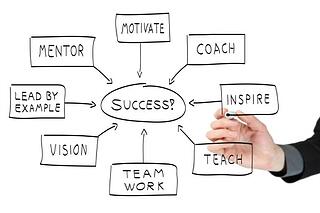
The Difference between CEOs That Manage vs. Lead
Fri, May 3, 2013 — Today's blog is by guest blogger Kevin Dincher.

The CEO Is the Chief Team Builder
Tue, Nov 27, 2012 — The concept of team building has been around since the 1960s and continues to multiply as CEOs increasingly embrace developing people and teams as an indicator of their own leadership success. But, to be successful, effective team development for a CEO requires knowing when to do team building—and when not to do team building. I’ve seen CEOs insist on referring to their employees as a team and have pointed to how well their employees get along with one another as the metric of their effectiveness as a team. Calling a group of employees a team doesn’t make them a team, no matter how well they get along. They may just be a group of workers who really like one another—or at least have learned to pretend to like one another. When does a “Group” become a “Team”?
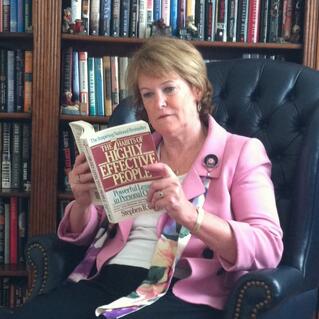
Gone, But Not Forgotten: Stephen Covey
Wed, Jul 18, 2012 — A Big Impact I went to my bookshelf yesterday when I heard the news. There aren’t many books I have kept over the years but “The 7 Habits of Highly Effective People” is one of them.” My edition is from 1990, the First Fireside Edition. When I read it, I was a new manager, struggling to do my best.