.png?width=1500&height=398&name=CO_Corporate%20Logo%202021_4C_HOR_FNL-1%20(1).png)

How to Engage Hard-to-Reach CXOs: The New Growth Playbook
This blog is part of Chief Outsiders’ New Growth Imperative series, designed to help CEOs and leadership teams engage executive decision-makers at targeted strategic accounts by turning deep insights into compelling customer value.
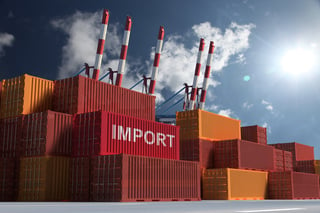
Tariffs and Your Next Chapter | The 5 Biggest Mistakes Leaders Make Around Tariffs
Thu, Apr 10, 2025 — Tariffs have been around for centuries. Commonly used to protect emerging industries or bolster national security, tariffs have evolved beyond trade tools into economic levers that can shift markets overnight. Tariffs have re-entered the conversation for mid-sized business leaders, especially those with global supply chains or international customer bases. But here's the thing: reacting like it’s still 1995 won’t cut it.

Tariffs and Your Next Chapter | Buying in a Tariff Economy: Smarter, Not Cheaper
Wed, Apr 9, 2025 — Tariffs have been around for centuries. Commonly used to protect emerging industries or bolster national security, tariffs have evolved beyond trade tools into economic levers that can shift markets overnight. Tariffs have re-entered the conversation for mid-sized business leaders, especially those with global supply chains or international customer bases. But here's the thing: reacting like it’s still 1995 won’t cut it.

Tariffs and Your Next Chapter | Selling Through Tariffs: Avoiding the Pricing Traps
Tue, Apr 8, 2025 — Tariffs have been around for centuries. Commonly used to protect emerging industries or bolster national security, tariffs have evolved beyond trade tools into economic levers that can shift markets overnight. Tariffs have re-entered the conversation for mid-sized business leaders, especially those with global supply chains or international customer bases. But here's the thing: reacting like it’s still 1995 won’t cut it.