.png?width=1500&height=398&name=CO_Corporate%20Logo%202021_4C_HOR_FNL-1%20(1).png)

The Contrarian Brand Play: Why Right Now Is the Best Time to Invest in Brand
Part 4 of our four-part series on the evolving AI search landscape and what B2B leaders need to know to stay competitive.

Beyond the Buzzwords: How CEOs Can Build a Truly Resilient Business
Wed, Oct 22, 2025 — In every keynote, article, and boardroom conversation, “resilience” gets tossed around as the Holy Grail of leadership virtue. But resilience is more than just surviving economic turbulence—it’s about turning disruption into a competitive edge. Too many CEOs treat resilience as a slogan rather than a strategy. Real resilience is built in advance, not claimed during a downturn. It starts with clarity regarding where you are in the economic cycle, where you’re headed, and how to align your people and resources accordingly.
The Cost of Waiting: Why “Doing Nothing” Is the Most Expensive Strategy
Tue, Oct 7, 2025 — When markets shift, many CEOs adopt a dangerous mindset: Let’s wait and see. On the surface, it feels prudent, even safe. But hesitation quickly becomes the costliest default in leadership—a form of self-sabotage and an expensive compromise. Economic shifts don’t pause until you’re ready. By the time you’re confident the upturn is real—or the downturn has arrived—it’s too late to act decisively. Competitors who moved first have already secured the best opportunities. And you’ll be left wishing you had not waited.
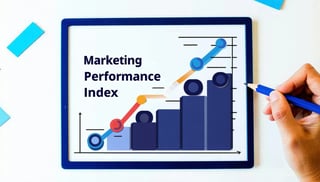
Beating Industry Benchmarks
Fri, Jul 18, 2025 — In my previous blog, I discussed a fast way to assess relative marketing performance, and covered proven approaches to improving six industry benchmark-based Key Performance Indicators (reach, share, engagement, loyalty, pipeline, and progression) that can boost overall marketing effectiveness. Today, I’m going to review some of the key findings from recent research around Marketing benchmarks. I’ll select key metrics from each of these three benchmarks and their implications for optimizing marketing performance.
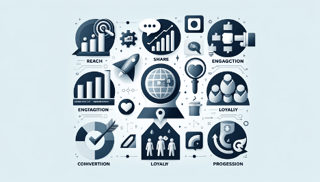
Rapid Marketing Performance Improvement
Mon, Jun 23, 2025 — With tariffs, the Middle East and trade tensions increasing the odds of a near-term recession and persistent inflation, it's more important than ever for CEO’s to increase marketing’s overall performance and the ROI of every marketing dollar spent. I created the Marketing Performance Index and Assessment to help CEO’s and their organizations quickly assess relative marketing performance. The Marketing Performance Assessment is an objective way of quantifying the impact of Marketing.
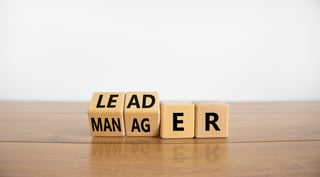
Respected Boss? Trusted Coach? Why Sales Managers Need to Be Both
Mon, Apr 7, 2025 — As a front-line sales manager, distinguishing leadership from management responsibilities is critical to a sales team’s culture and success. Distinguishing between the two helps managers be more intentional about developing these very different skill sets. Sales leadership focuses on inspiring and developing people, while sales management concentrates on processes and immediate results. Effective sales professionals must balance both roles.

5 Questions to Elevate the Marketing Conversation in Your Client’s Level 10 Meeting™
Thu, Mar 6, 2025 — A Practical Guide for EOS® Implementers to Keep Marketing Aligned and Accountable As an EOS® Implementer, you’re the architect of operational excellence — helping your clients bring vision to life through disciplined focus, measurable traction, and team-wide accountability. But when it comes to marketing, even the best-run EOS companies can hit a wall.
A CEO’s Guide to Marketing Performance | Measuring Performance (and Underperformance)
Thu, Feb 6, 2025 — Part 3 of A CEO's Guide to Marketing Performance In the marketing world, performance is the difference maker - not experience, expertise, effort, or endurance, just results. This article is about how to address underperformance in the three major measurement components (Market Presence, Brand Strength, and Pipeline Health), and six key performance indicators (reach, share, engagement, loyalty, pipeline, and progression).

Unlocking Business Growth: The Power of USP, Value Proposition, and Positioning
Wed, Jan 15, 2025 — As a CEO, you understand that growth depends on effectively communicating the value of your products and services to your customers. However, our language and strategies to convey that value can often get muddled. That’s where understanding key concepts like Unique Selling Proposition (USP), Value Proposition, and Positioning becomes crucial to driving brand differentiation and customer loyalty. In this post, I’ll break down the differences between these terms and explain how they contribute to the growth of your business.
A Strategic Guide to Double-Digit Revenue Growth
Tue, Jan 14, 2025 — CEOs face intense pressures today to deliver consistent double-digit revenue growth year after year. But with the right strategy focused on business development, sales, and key performance indicators - hitting that 10% annual growth benchmark is achievable. This article provides a blueprint for leaders looking to spur growth. As a result of the current market conditions, a new benchmark has been established: If your company can't show a minimum Compound Annual Growth Rate of 10 percent, you are putting yourself and your company at risk. As never before, revenue growth is the key to a business's health, high corporate valuations – and CEO job security.