.png?width=1500&height=398&name=CO_Corporate%20Logo%202021_4C_HOR_FNL-1%20(1).png)

The Contrarian Brand Play: Why Right Now Is the Best Time to Invest in Brand
Part 4 of our four-part series on the evolving AI search landscape and what B2B leaders need to know to stay competitive.

Whole Brain Brand Positioning
Fri, May 10, 2013 — There are innumerable articles, books and classes devoted to aspects of developing a distinctive brand positioning. And, why not? Your brand positioning should drive all communication, and, as a wise man once told me — EVERYTHING communicates. However, the elements of brand positioning have become disjointed and disconnected over time, as focus shifts form one aspect to another. Also, it feels like brand positioning has become unnecessarily over-complicated by the scholarly focus, causing the project of sitting down to develop a new brand position to end up on the “someday, maybe” pile for many busy CEOs. Developing a differentiated brand positioning is nothing more than making sure your brand occupies a unique, distinctive and relevant place in your target customer’s mind (get it? Brain, Mind…), so they consistently choose your brand in preference to that of your competition. It allows for consistency of message and experience across time and across management. It articulates your brand’s DNA across all aspects of the brand — from your brand identity/logo to packaging, from creative and media to distribution strategies, and from promotional offers to new product development plans.
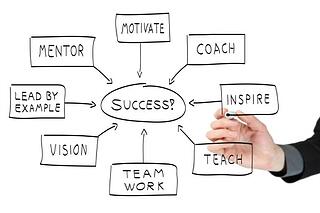
The Difference between CEOs That Manage vs. Lead
Fri, May 3, 2013 — Today's blog is by guest blogger Kevin Dincher.
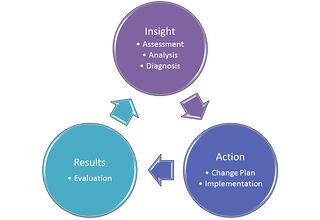
Cracking the Code of Organizational Change
Sun, Mar 10, 2013 — It was 1996 when John Kotter first published Leading Change and told us that 70% of all major change efforts by businesses fail. Nearly two decades later there is little evidence that any improvement has occurred, and this 70% failure rate has become axiomatic in business development and change management circles. Despite some individual successes, change remains difficult—and few companies manage change successfully. Organization change is a strategic imperative in today’s fast-paced business environment. Unfortunately, in the pursuit of change and trying to be the best, CEO’s and their executive team frequently chase after the latest and greatest idea. They lose focus and become mesmerized by all the advice available in print and online about why companies should change, what they should try to accomplish, and how they should do it. This proliferation of recommendations often leads to failure. Cracking the Code of Change

5 Super Tips for a CEO Faced with a Media Interview
Wed, Mar 6, 2013 —

Their Pain, Your Gain
Sat, Feb 23, 2013 — Some of your best customers would probably like you to do business with them in a different manner. Maybe it’s the day you deliver your goods to them? The minimums required? Maybe it’s the day of the month that you do your billing…or the amount of paperwork that you require of them? Instead of making doing business with you easier, do you sometimes make it a bit more challenging? Successful companies seek out their customers’ pain points and eliminate them. Constantly listening to the signals from the marketplace can help you see the storm clouds gathering, and to develop the strategies necessary to meet them. In order to do that, you really need to dig deep and find out what is bothering them, and how you can go about fixing those things. Define the Pain Point

D.A.R.E. to Grow
Wed, Feb 20, 2013 — Sometimes it is difficult for our organizations to take the steps necessary to grow – to change – to leave what is comfortable and strive for something more. We stop ourselves with questions like: How will my organization adapt to the changes? Can we handle the new challenges? Do we have the skills required to meet the new demands? Why should we upset what is already going well? It makes perfect sense for us to question. In fact, we wouldn’t be doing our jobs as leaders if we didn’t. At some point though, if we want to move forward, we must also move beyond the questions. We must take our own dare, if you will – and D.A.R.E. to grow. Here are some thoughts to get us started. D = Discover

The Four Basic Pillars of Digital Economics
Sat, Feb 16, 2013 — For many companies in both the B2C and B2B markets, selling online is a must. Whether selling digital goods like downloadable software, SaaS-model subscription offerings or actual physical goods, in my experience there are a few straight forward and basic economic pillars of selling online that are often overlooked. While your products, pricing and promotions are important, I’ve seen that a renewed focus on the intersection of these four pillars delivers significant increases in sales. These pillars are: • Traffic • Close rate • Average order value (AOV) • Retention

The Welcomer Edge: The Secrets to Repeat Business
Sun, Feb 10, 2013 — Today's Chief Outsider blog is by guest blogger Diana Kyser McNeff. I recently had the opportunity to sit down and talk to Richard Shapiro, founder and president of The Center For Client Retention and author of his recently published book “The Welcomer Edge – Unlocking the Secrets to Repeat Business”. Since 1988, Richard has been running The Center For Client Retention (TCFCR) which provides research, training and consulting to Fortune 500 companies on how to improve the customer experience. Before founding TCFCR, Richard held leadership positions at ADP (Automatic Data Processing) in Client Services, Client Satisfaction and Client Retention. At ADP, he developed the idea that when there is a gap between service expectations and delivery, the client relationship is most vulnerable —a customer is most likely to move to a competitor. Richard also credits his experience working in his father’s haberdashery store as a boy as the place where he learned the true value of a customer.
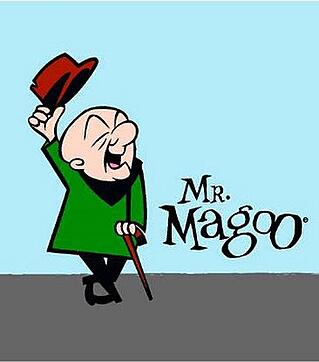
The "Unconscious Incompetent" or Don't Be "Mr. Magoo"
Tue, Jan 1, 2013 — Do you remember Mr. Magoo? He was a cartoon character who used to cause disasters all around him and be totally unaware of them. Cars would overturn, store aisles would collapse, boats would crash and Mr. Magoo bumbled on his way, oblivious to it all. Some US business people act the same way when starting an international arm to their business.